Ueno Akihabara
The next morning I take the train to Taito District, get off at Ueno Station and stroll through Ueno Park towards the Tokyo National Museum. Ueno Park is known for its Sakura cherry blossoms or the lack of it on the day I visited. The bare branches lined the pathways in the park with signs to various attractions on the grounds such as Toshogu Shrine, several history and art museums and Ueno Zoo where Giant Pandas are treated exceptionally. On the way to the zoo, I took note of souvenir shops and cafes decorated in black and white with panda art, panda statues and litter boxes and people in panda hoodies while I indulged in self doubt. Aren’t pandas Chinese?
The current Giant Pandas (Riri and Shinshin) arrived from China in 2011 after the first two pandas gifted in 1972 died (I think?). It was part of China’s “Panda Diplomacy” to improve relations with Japan in the early 70s. China gifted a bunch of pandas to other countries in the past from 1940-1980s, reviving a trend that started back in the Tang Dynasty in the 600s which may be conjecture. The historians couldn’t figure out whether the fur babies sent by the emperor were pandas or polar bears. But then, polar bears don’t live in China. After the 1980s, rules changed and pandas were leased to other nations rather than sent as gifts. The politics surrounding the diplomacy is tedious and not as cute as the pandas. The good news; it brings in the $$$$ because who doesn’t want to see and cuddle cute pandas.
You can spend a whole day at Ueno Park, but I was going to focus on the marathon route and not distract myself by nerding out at the Tokyo National Museum or break my heart at the zoo.
I take the right from the Tokyo National Museum after contemplating whether the giant whale statue was a blue whale. I was sidetracked by a group of excited school children posing next to the whale. I then head to Sumida and walk through one of the quieter neighborhoods; the Tokyo Skytree coming into view every so often in between low rise residential buildings. I arrive midway at kitchen street (Kappabashi Dougugai Street) a culinary haven for the artistes who love socializing over food. It has everything related to the kitchen and cooking such as table ware, ingredients, high quality knives, bamboos, equipment etc..


Asakusa Sumida
I rushed through Asakusa Nakamise Shopping street that overflowed with selfie sticks, souvenir stalls and street food to Sensoji Temple also known as Asakusa Kannon Temple built in 645. Two fishermen brothers found Kannon’s (Boddhissatva of Compassion) statue in the river when they fished it out, tossed it back and it reappeared multiple times every time they tossed it back in. How freaky, but not according to the village chief who realized its value, enshrined it and voila Senso ji was built. Over time, Senso-ji survived several fires, bombings and earthquakes. It’s now strong enough to withstand phone obsessed couples, influencers, tourists, group of exchange students or colleagues on an off site and women in rented kimonos observed by “free thinking” snarks.
I then head towards the Main Street and cross the bridge over the river, where the statue was found, towards the Asahi headquarters designed by Phillippe Stark. The Tokyo Sky Tree not so far away. It was once the tallest tower in the world until 2011 taken over by Burj Khalifa in Dubai. I turn right and head south of the Marathon route towards Ryogoku Sumo town and thank Pheidippides all the Sumo stuff was closed and nothing could distract me from staying on course. Besides, 42km is about hours of focus, patience and tolerating weird noises people make when they run.
I walked over 10km, my legs were giving in (yesterday’s workout) so I grabbed a cab back to Ginza’s Chuo Dori Avenue which is also a part of the marathon course.


Shinjuku Kabukicho
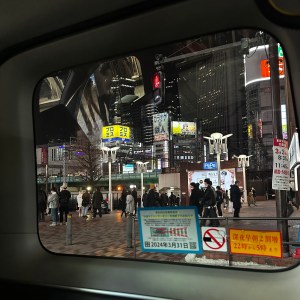
Later in the evening, I meet my sister at Shinjuku where she stays. I get off the wrong Shinjuku station once again and grab a cab to her hotel right across the Marathon Start. I’m distracted by all the lights and under pressure because I have to decide where to have dinner. Because she’s difficult to please and I was going to get it wrong anyway, I chose the most absurd spot to have dinner.
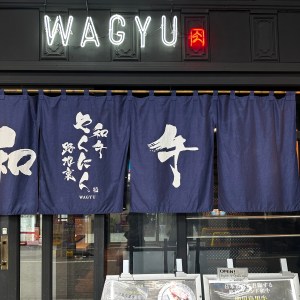
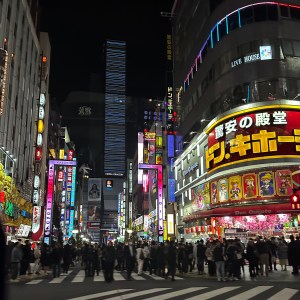
Shinjuku Kabukicho, also on the marathon route, is one of the biggest entertainment districts in Tokyo surrounded by corporate and government offices. I did no research of course; if you take a turn in the wrong alley, it’s ramshackle galore. Besides there are endless eating options every corner you turn. It overflowed with neon signs to all kinds of activities including suspicious ones. We walk into a BBQ Wagyu beef joint, one of the few places with available seats, and ate rare cuts of beef dipped in various sauces that paired well with each part. It was a delicious overdose of protein as I listened to very loud enthusiastic runners seated somewhere in the restaurant talk about running, the major marathons they’ve run, triathlon and Ironmans completed, pretty much an ‘one upping’ contest.
We leave and call it a night as a large number of young Gen Zs and AIs were enjoying themselves. It was 9pm, the night was young. I bid her farewell. She calmly told me that she will not listen to me again. Shortly after, I receive a ping with a list of suggested places she visited the last time she was in Tokyo.

 CRAYSCAPE