Day 11 – St Andrews Bay
This was the day every one else had been looking forward to, but the one I was anxious about the most because we were scheduled to be off the ship by 5am for another day of Elephant Seals and King Penguins. As we sailed toward the northern coast of South Georgia overnight, I found myself checking the alarm every hour until I dragged myself out of bed at 4am to eat something light and adjust my mindset to fasting mode because we had the option to stay on land for 6 hours straight. The alternative was to head back to the ship for breakfast, but I chose to endure the hunger. Anything was better than the torment of scrubbing landing boots and wiggling out of my wet pants and layers more than once. This was after all the climax of the trip: standing face to face with the largest King Penguin rookery in the world. But, the encounter was entirely up to nature.
Expectations of a golden hour faded into a dim, moody morning as a ring of mist swallowed the rising sun. As we approached the shore, we were met with a view of geological transition – receding glaciers and exposed rock giving way to glacial lakes all set against the backdrop of the Allardyce mountain range, their summits lost in heavy mist. To add to the challenge, heavy swells turned our landing into a balancing act and forcing us to move with caution as gigantic male elephant seal bulls lay sprawled across the land. They repeatedly let out abrupt grunts and were ready to charge any younger bulls lingering in the periphery who were testing their luck. It was peak breeding season, the very spectacle that makes St Andrews Bay the poster child of South Georgia. With penguins and seals breeding all year round, some months slower than others, it is the dramatic film hot spot made famous by BBC, Natgeo and Planetearth documentaries.
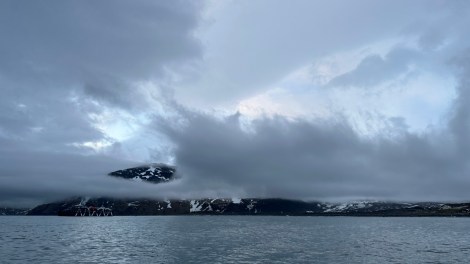
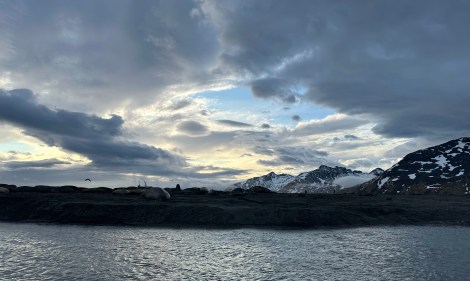
Once we landed on the northern end of the island’s three kilometer shoreline, it felt as though we had barged into a battlefield. We had to carefully maneuver between a massive bull and another bold one looking for a confrontation before we could finally amble toward Buxton Glacier. The cacophony of whistles and chatters of penguins grew louder and the pungent scent of guano filled the air. Everywhere I looked, it was a scene in constant motion. Seals and penguins of every size, chicks and weaners, were strewn across the beach weaving between volcanic dark sand and through the white foam of the rolling surf.
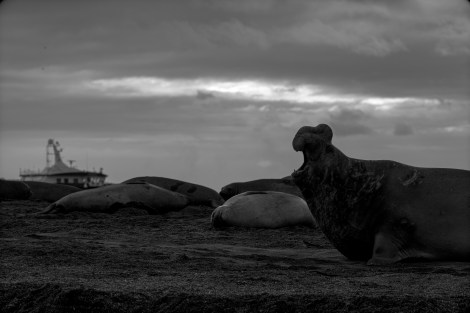

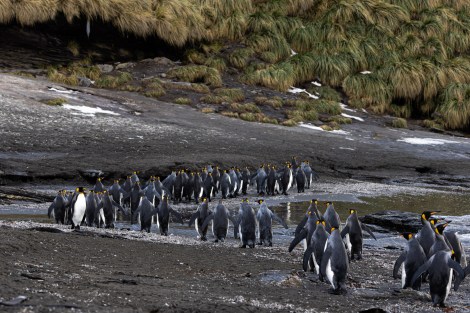
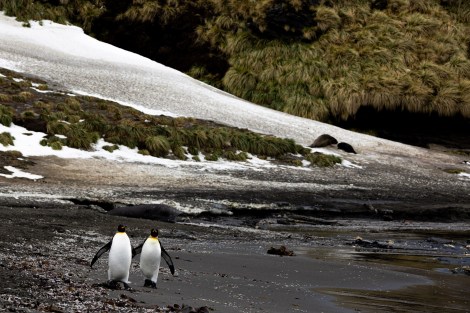
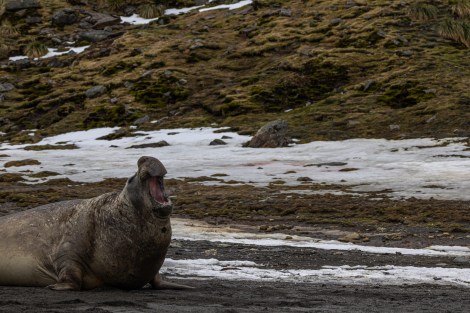
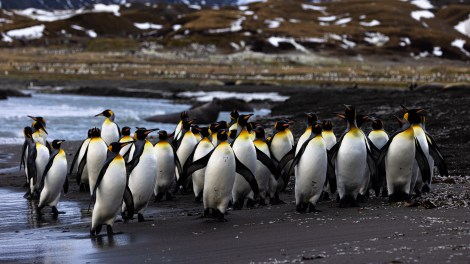
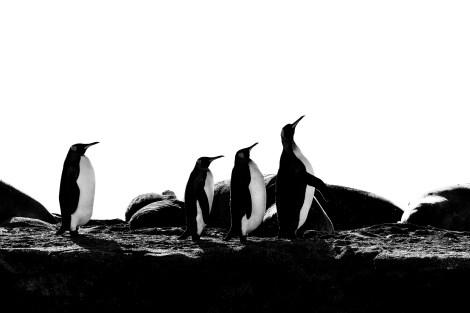
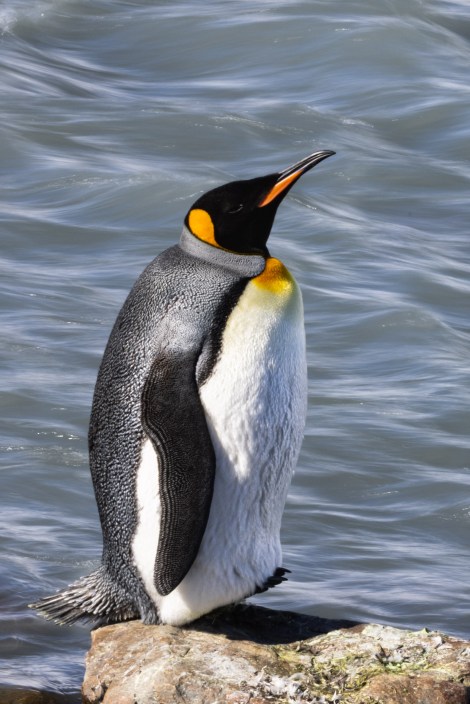

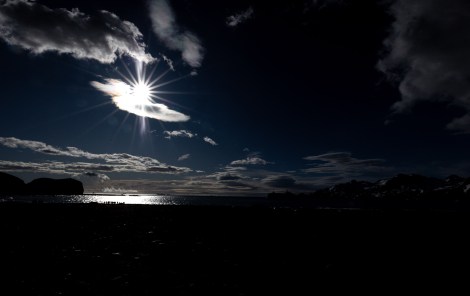
Their silhouettes unfolded under a mercurial sky and a soft shifting light. We managed to cross the stream but the heavy pull of the current made the moraine hills too hard to reach. It was a bummer we could not go anywhere near the rookery, but that feeling was short lived because the horizon was stunning and brimmed with life at every turn. Sans crowds, we could finally make photos without the constant threat of a colorful beanie ruining the corner of a frame.
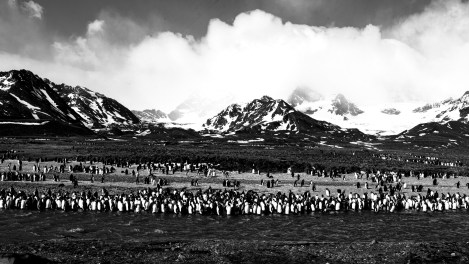
Before heading to the ship, we took a zodiac ride toward the southern shoreline to capture the full scale of the King Penguin rookery we had missed. We cruised toward the foot of the Cook Glacier, named by German explorers in 1882 to honor Captain Cook who first sighted St Andrews Bay back in 1775. To this day, there is no record of who named St Andrews Bay.
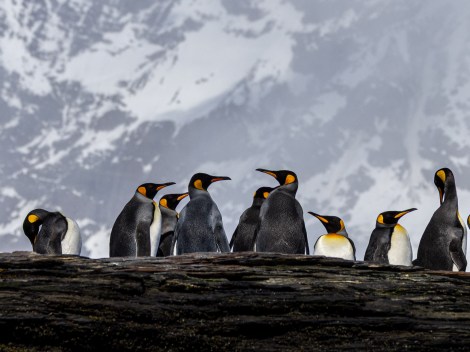
Seeing the colony from the water gave us a profound sense of perspective and a reminder that even in this harsh world, positivity persists. Despite a dark history of exploitation in these waters, life is still buzzing. St Andrews Bay was a beautiful portrait of resilience illustrating how wildlife can overcome environmental or human-driven blows and find the strength to reclaim their habitat and start breeding.
Ocean Harbor
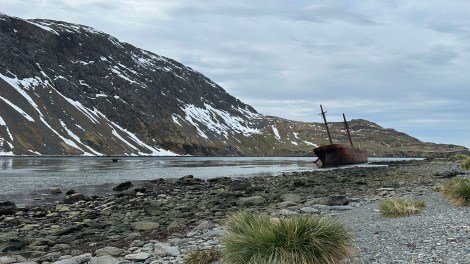
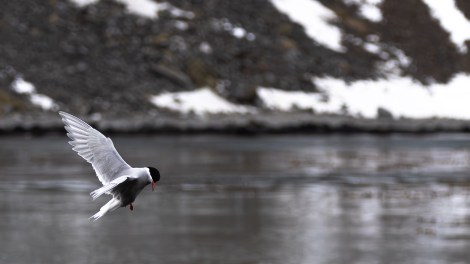
Later that afternoon, we sailed north to a secluded cove known as Ocean Harbor named for the Ocean Whaling Company that once used this bay as a base for their operations. Except for capillary waves, the water was exceptionally still, the surface was calm enough to frame the rusting hulk of the Bayard since 1911. The old coaling ship was blown across the harbor during a gale and has stood there ever since. One or two Antarctic terns circled gracefully before landing on the rocky shoreline or nesting atop the ship’s hull.
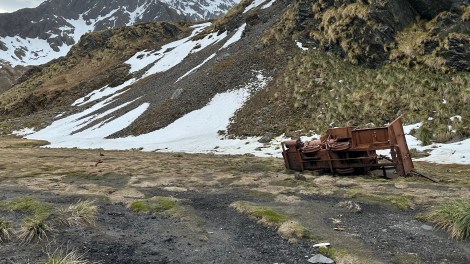
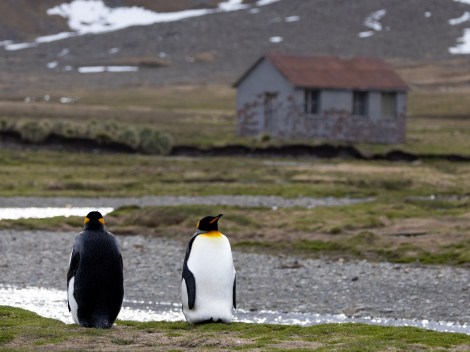
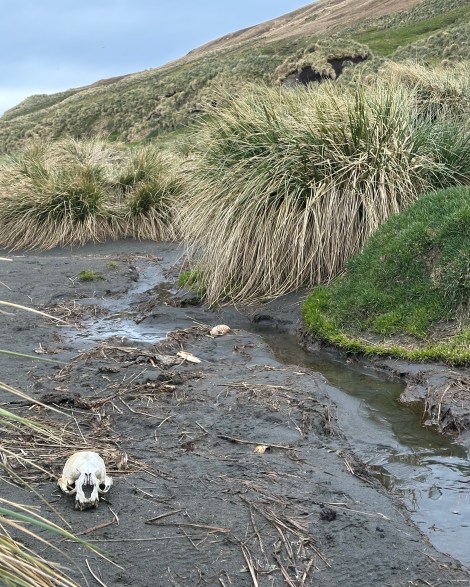
Once ashore, we trekked through thick mounds of tussock grass where fur seals were tucked away in deep sleep. we made our way toward the foot of the mountain to find the remains of a rusty steam locomotive, a mechanical ghost once used to haul coal and supplies to and from ships. A few penguins posed in front of a refurbished shed, a relic of the whaling era now used by visiting researchers.
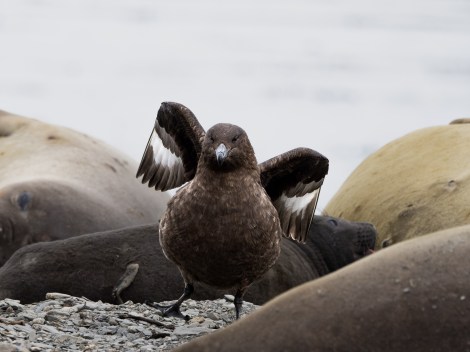
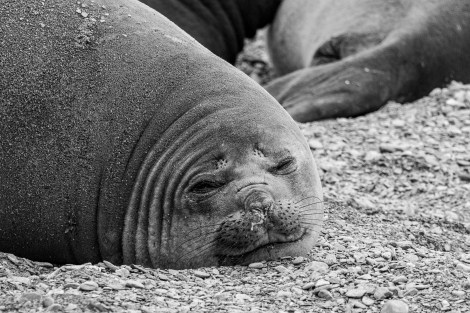
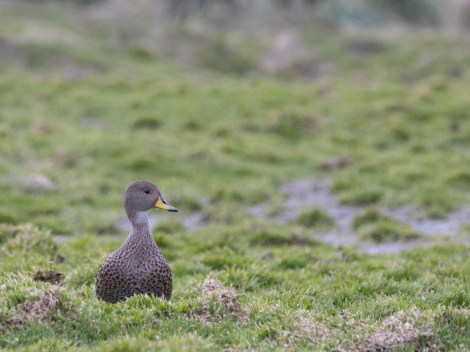
After the intensity of St Andrews, Ocean Harbor felt like a relaxing experience – one where I felt I could put my camera down and soak it all in. It’s not like it was teeming with wildlife anyway, to summarize the afternoon, it was rust, grass and sleepyheads.
 CRAYSCAPE
What a fantastic experience. Great photos 👍👍👍
Thank you, it really was!
You’re welcome. I am totally sure 😊
I guess I would also rather choose fasting than wiggling out of layers and layers of clothing . . . I really admire you for going on these expeditions where the weather has the last say. But what an experience, right?